When to Take Gels in a Marathon
Marathoners who followed a fueling plan finished 11 minutes faster than runners who fueled by feel. Here's how to plan when you take each gel.
The clock plan
A gel every 30 minutes
0:00mile 0
3 of 7 gels land on a hill or far from water
Placed on the course
Every gel at water, before the hill
7 of 7 at a water station
0 on a climb or descent


Updated October 6, 2026
The 6 things that decide when you take each gel
The usual advice, a gel every 30 minutes, ignores the hills, your stomach, the water each gel needs, the sports drink on the course and the tables you might miss. Here's how each one decides when you take a gel.
Where the Hills Are on Your Course
Contrary to popular belief, a hilly course doesn’t change how much glycogen you need or how much you burn.
What the hills on your course do change about your fueling plan is where you should take your gels.
Using the Boston Marathon as an example, CarbRate's energy model shows that the Boston course actually requires 1.5% less energy than a flat marathon, because its net downhill outweighs the Newton hills.
Even for the hilliest course we've mapped, the Marine Corps Marathon, the energy model shows that it’s only about 0.5% harder than a flat course.
So, what needs to change in your fueling plan isn’t how many gels you take, but where you take them. Here is how you should plan when to take your gels on a hilly course…
Don’t take your gels on any climb steeper than about 3 percent. Instead, plan to take them on the flat before it or the flat after it.
Your stomach slows down digestion as your effort increases running uphill. This happens because blood moves from your gut to your legs, so a gel taken on a hard climb sits there instead of being absorbed.
Don’t take gels on long, steep descents. Below about 7 percent your quads are doing the braking and everything in your stomach is bouncing, so wait for the course to flatten before you take anything.
If you want a fueling plan with your gel and drink timing customized to the course, CarbRate does this for you. Start building your plan here.
Take your gel on the flat before or after a hill.
How Many Gels Your Stomach Can Handle at Race Pace
Blood flow to your stomach drops about 20% in the first 10 minutes of running and up to 80% after an hour at marathon effort.
This reduced blood flow slows down how fast your stomach can digest and process the gels you’re consuming.
That’s why every runner has an individual limit to how much carbohydrate they can take in per hour, which can range from 45 grams per hour up to 90.
To best plan when to take your gels based on your stomach, you should…
- Establish what your current gut tolerance for gels is
- Methodically practice in training to raise this limit
- Determine how much fluids you’ll need and how many carbohydrates they will contain
- Then add in your gels to fill the gap between what your stomach can handle and how much you’ll intake through fluids.
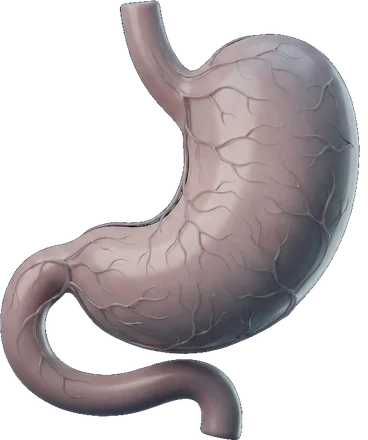
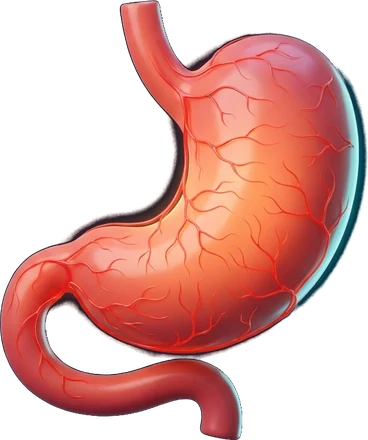
Blood flow to your stomach
100%
At the start10 min in1 hour in
Your limit: 45 to 90 g an hour
- 1Find your limit
- 2Train to raise it
- 3Count your drink carbs
- 4Gels fill the gap
Know your limit, raise it, then let your gels fill the gap.
How Much Water You Take With Each Gel
Research has shown that the optimal carbohydrate concentration is 6 to 8 percent carbohydrate to water.
That means you'll want about 100 mL (3.5 oz) of water for every 8 grams of carbohydrate you take in. A typical gel contains 25 g of carbohydrate, so you'll want to aim for about 300 mL (10 oz) of water with each gel.
A good estimate is that each cup of water will provide you 100 mL (3.5 oz) of water.
That's because volunteers typically fill cups about half way to prevent water from splashing and you'll lose a good amount as you run with the cup and what spills as you drink.
That means each gel needs about 3 cups of water, so plan when you take your gels to be when you have water available to wash it down, like at an aid station.
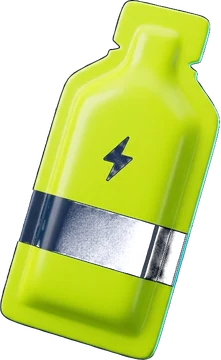
Water 1 gel needs
0 / 300 mL
200 mL short
Enough to wash it down
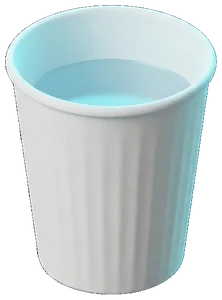
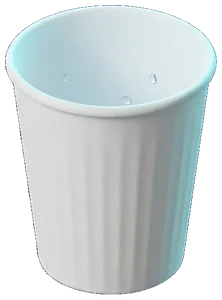
3 cups at the table for every gel
Never Take a Gel With a Sports Drink
Whether you are carrying your own fluids or using what is on the course, never try to wash down a gel with a sports drink or carb beverage.
Remember, the ideal carbohydrate concentration for maximum absorption is about 6%.
A 25 gram gel with 300 mL (10 oz) of a sports drink that also contains carbohydrates takes the 6% you’re targeting to about 14 percent carbohydrate.
That’s twice as much as what your stomach can handle easily.
A mix that strong isn’t able to be processed quickly in your stomach, so it pulls water into your gut, which is where stomach cramps, sloshing and bathroom stops come from.
So take your gels with water. Drink the sports drink at the tables where you aren't taking a gel, and count its carbs toward your total.
+
Sports drink · 300 mLWater · 300 mL
Carbohydrate in the mix
0%
6 to 8% absorbs fastest
Twice what your stomach handles easily
With water: right in the window
Take your gel with water, never a sports drink.
Where the Aid Stations Are on Your Course
The common advice is to take your gels every 30 to 45 minutes, but that might not coincide with when you hit an aid station.
If you’re not carrying your own water with you, you’ll need those aid stations to wash down your gel.
So your fueling plan should never be a random number, it should be plotted to the aid stations on the course.
See where the aid stations are on your course →- 10:22Aid station · mi 2.6One gel, with 3 cups of water
- 21:08Aid station · mi 7.9One gel, with 3 cups of water
- 31:26Aid station · mi 10.0One gel, with 3 cups of water
Plan each gel at an aid station, not by the clock.
Want a fueling plan built for your race?
How many gels you need and where you take them depend on how much glycogen you need and the course. CarbRate builds you a personalized fueling plan based on your specific needs, the course you're running, the weather and the products you use.
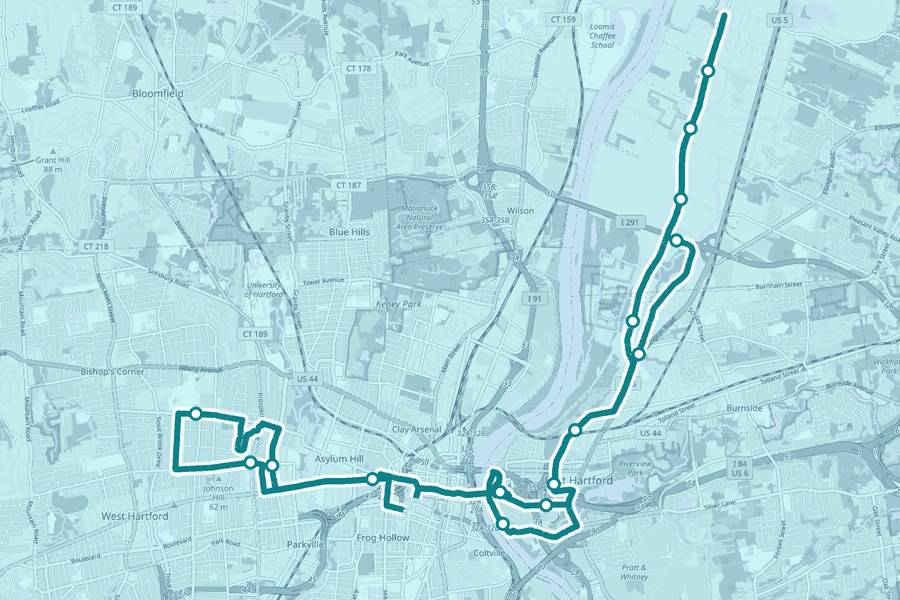 Oct 10Hartford MarathonSee the fueling plan for this race →
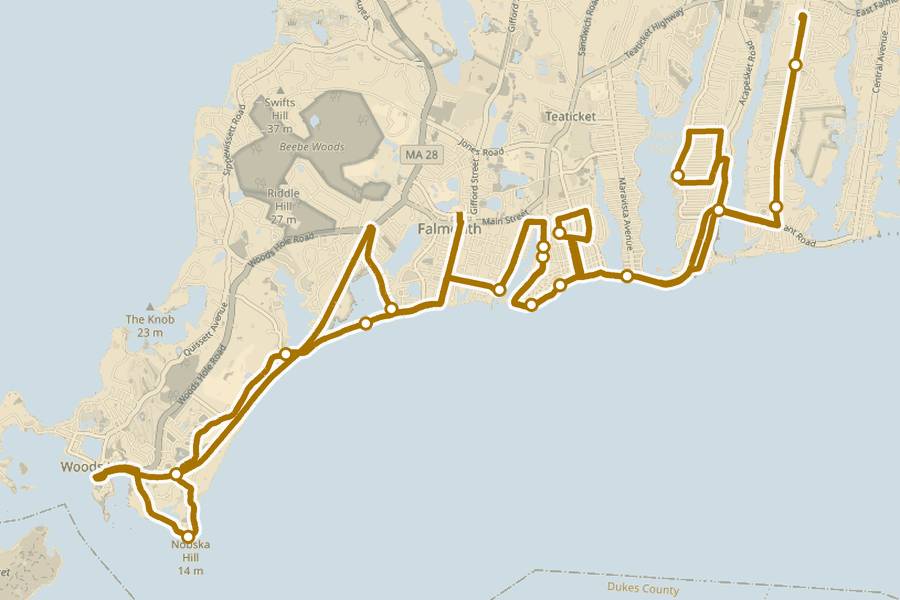 Oct 11Cape Cod MarathonSee the fueling plan for this race →
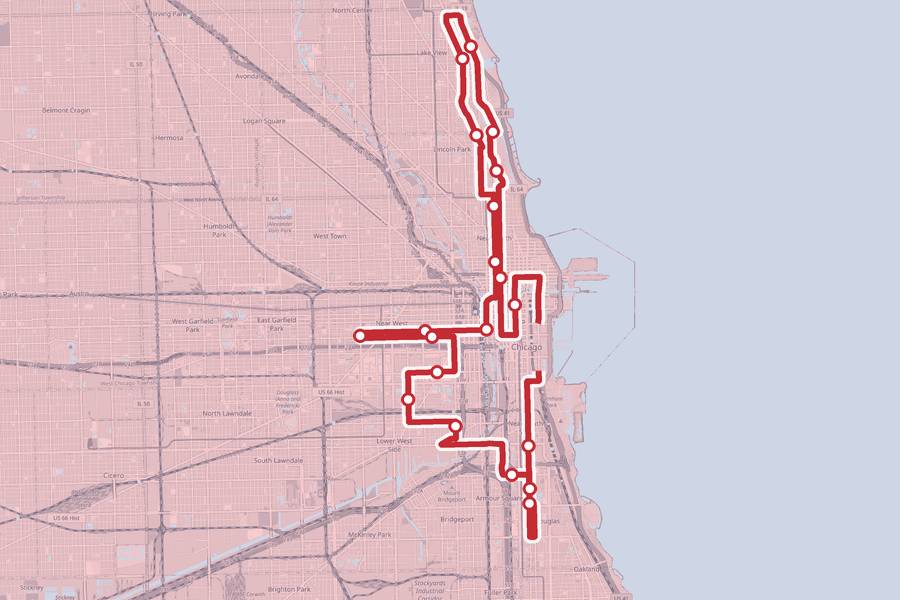 Oct 11Chicago MarathonSee the fueling plan for this race →
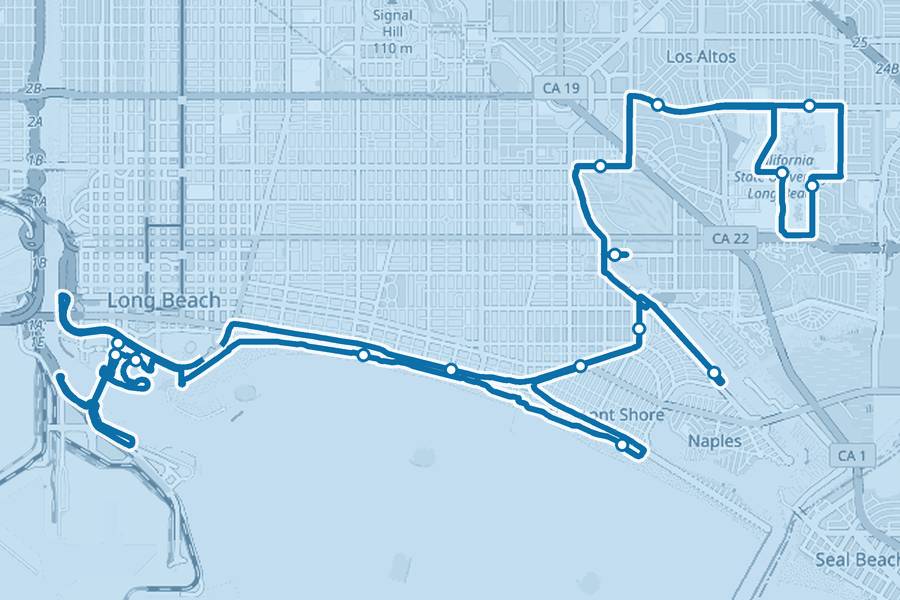 Oct 11Long Beach MarathonSee the fueling plan for this race →
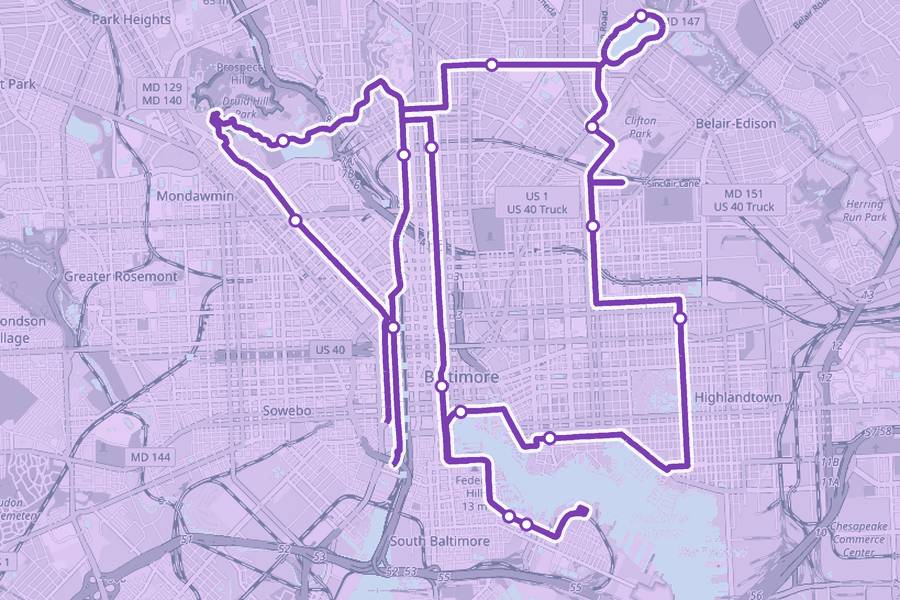 Oct 17Baltimore MarathonSee the fueling plan for this race →
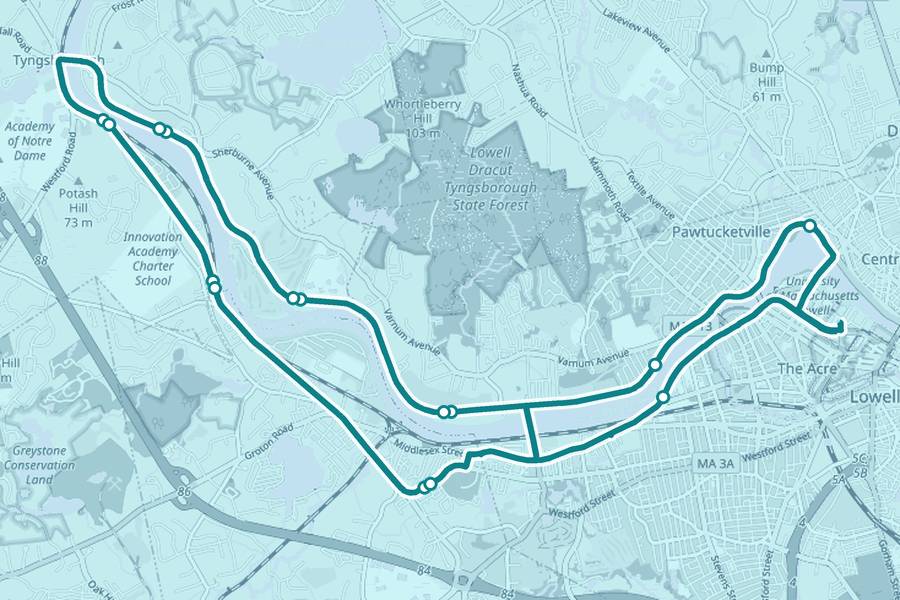 Oct 18Baystate MarathonSee the fueling plan for this race →
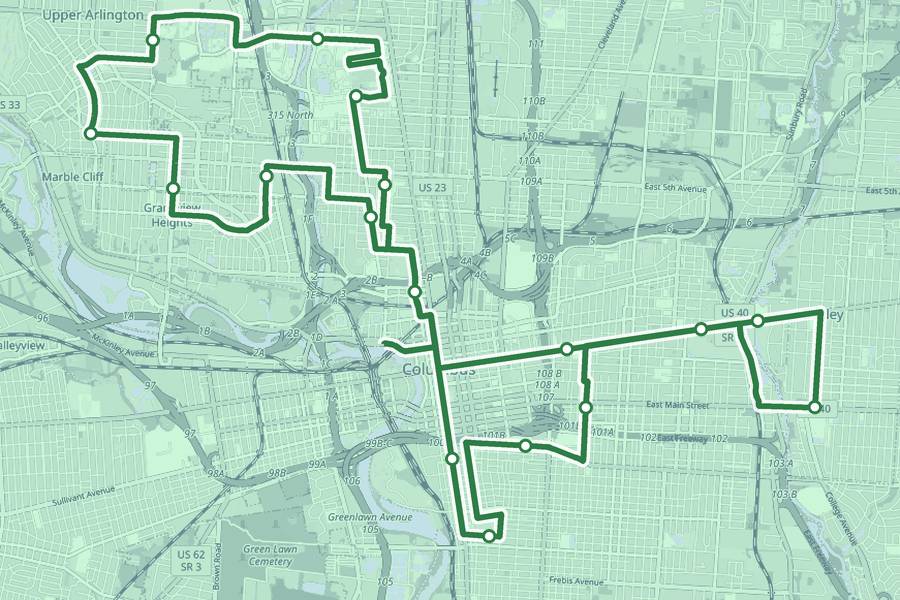 Oct 18Columbus MarathonSee the fueling plan for this race →
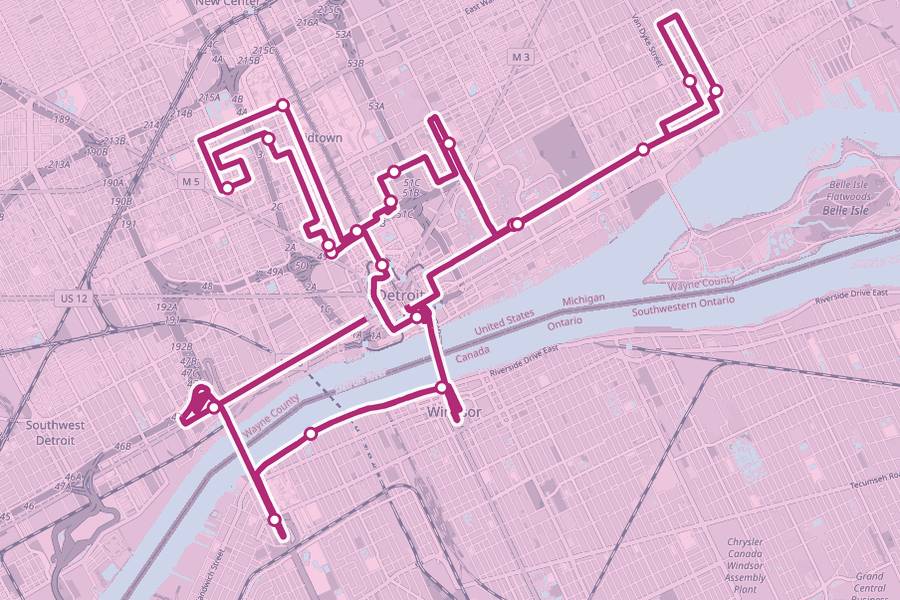 Oct 18Detroit Free Press MarathonSee the fueling plan for this race →
Your Plan for a Missed Aid Station
Aid stations at big marathons get crowded. Tables that busy are easy to misjudge and not get the fuel you need.
Have your gel open and prepared to take at the start of the aid station so you can take it early with a cup of water and still have time to grab another cup or two.
Decide before race day what you'll do if you miss a table, so you aren't working it out at race pace.
Without a plan for the next one you either double up later and pay for it, or run the rest of the race short.
Miles 8 to 20
You miss the table at mile 11.8
Double up later
2 gels at once at mile 15.8
Run the rest short
6 of 7 gels for the race
Decided before race day
Gel at the next table, with 2 cups
Decide before race day what you'll do if you miss a table.
Should I walk through aid stations?
If you're running a marathon slower than 4 hours, walking through the aid station makes it easier to get a gel and 2 cups of water down. If you're running under 4 hours, run through, but never skip the fuel to save a few seconds.
How much water is in an aid-station cup?
About 100 mL (3.5 oz) reaches you. Volunteers fill cups about halfway so they don't splash, and more spills while you run and drink.
Do I need more carbs for a hilly marathon?
Barely. CarbRate's energy model puts the hilliest course we've mapped only 0.5% above a flat marathon, and Boston comes out 1.5% below one because of its net downhill.
More ways CarbRate can help you fuel better
- Do hilly marathons need more carbs?→
- How much water to drink with an energy gelSoon
- Can you take a gel with a sports drink?Soon
- How much water is really in an aid-station cupSoon
- How to take a gel at an aid stationSoon
- You missed an aid station: what to do with the gel you were going to takeSoon
- Course fuel or carry your own? How to decide for your raceSoon
- How many carbs you actually get from the sports drink on courseSoon
- How to read an elevation profile for fuelingSoon
- Fueling a half marathon course: when one gel is enoughSoon
- Should you run or walk through aid stations?Soon
- How to carry gels in a marathonSoon
Sources
- Hansen EA et al. Improved marathon performance by in-race nutritional strategy intervention. Int J Sport Nutr Exerc Metab 2014;24(6):645-655. 14 pairs of marathoners matched on a 10 km time trial: the scheduled group finished in 3:38:31, the group that fueled by feel in 3:49:26.
- Costa RJS et al. Systematic review: exercise-induced gastrointestinal syndrome. Aliment Pharmacol Ther 2017;46:246-265. Primary measurement: Rehrer NJ et al., Med Sci Sports Exerc 2001 (portal vein flow fell 80% after 60 min of exercise).
- McAllister RM. Adaptations in control of blood flow with training: splanchnic and renal blood flows. Med Sci Sports Exerc 1998;30:375-381.
About the author

A Fueling Plan Built for Your Course
CarbRate places every gel and every drink on the real course you are running, using its actual elevation profile and the aid stations the race publishes.
Each gel goes on flat ground, at a real aid station, and before the next climb.
Hansen EA et al. Improved marathon performance by in-race nutritional strategy intervention. Int J Sport Nutr Exerc Metab 2014;24(6):645-655. 14 pairs of marathoners matched on a 10 km time trial: the scheduled group finished in 3:38:31, the group that fueled by feel in 3:49:26.
Costa RJS et al. Systematic review: exercise-induced gastrointestinal syndrome. Aliment Pharmacol Ther 2017;46:246-265. Primary measurement: Rehrer NJ et al., Med Sci Sports Exerc 2001 (portal vein flow fell 80% after 60 min of exercise).
McAllister RM. Adaptations in control of blood flow with training: splanchnic and renal blood flows. Med Sci Sports Exerc 1998;30:375-381.