What to Eat the Week Before a Marathon
Athletes who carb loaded started their race with 47% more glycogen in their muscles. Here's how to eat in race week so you start your race with yours full.
150 lb (68 kg) · 4:00 marathon · 35 g an hour
0.0mile
Same runner, same race, same gels. The only change is the 3 days before it.
Not carb loaded
Carb loaded
Same runner, same race, same gels. The only change is the 3 days before it.


Updated October 22, 2026
The 6 things that decide what you eat in race week
The usual advice, a big pasta dinner the night before, ignores your finish time, how many grams you need each day, the protein and fat you still need, the depletion run you can skip, the day before and race morning. Here's how each one changes what you eat.
Your Finish Time Decides Whether You Carb Load
Not every race needs a carb load. Your muscles hold enough glycogen for about 90 minutes of running.
So how long your race will take decides what you eat in the days before it:
- Under 90 minutes: you don't need to carb load. Eat normally and have a good breakfast on race morning.
- 90 minutes to 2 hours: eat extra carbohydrate the day before the race only, 6 to 8 g per kilogram of body weight (2.7 to 3.6 g per lb).
- Over 2 hours: do a full carb load. That includes almost every marathon.
Not sure which group you're in? Our free carb-loading calculator checks whether you even need to carb load from your weight and goal time.
Check if you need to carb load →Your finish time · what you eat before the race
Under 90 min · 1:20

Your normal dinner
90 min to 2 h · 1:45

1 big day, the day before
Over 2 h · 4:00
3 big days
Your finish time decides whether you carb load, and for how long.
Eat 8 to 12 g of Carbs Per kg Each Day of Your Load
Carb loading is the practice of increasing carbohydrate intake in the days leading into your race so your muscles can hold more glycogen than they normally do.
A study in the International Journal of Sport Nutrition found that athletes who carb loaded started with 47% more muscle glycogen, covered more distance, and held more power over the final 60 minutes.
That means the extra glycogen shows up in the final hour of your race, when your pace would otherwise start to fade.
But, one big dinner can't store that much. Each day of your carb load, you need 8 to 12 g of carbohydrate per kilogram of body weight (3.6 to 5.5 g per lb).
For a 150 lb (68 kg) runner, that's 545 to 815 g of carbohydrate a day. Spread over 6 meals and snacks, that's about 90 to 135 g each.
Most marathon plans use a 3-week taper, which means 3 days of carb loading. Well-trained runners who are used to high mileage can load for 2 days at a higher amount.
The same pattern shows up in real marathons. In a study of 257 runners at the 2009 London Marathon, eating more than 7 g per kilogram (3.2 g per lb) the day before was associated with faster race speeds and less slowing over the race.
To get your exact grams for each day of your load, use our free carb-loading calculator.
150 lb (68 kg) · 4:00 marathon · grams of carbs
The usual advice

One big pasta dinner
Day 1
 600 g
Day 2
600 gDay 3
600 gRacing a marathon soon?
Pick your marathon below to see its fueling guide, with the aid stations, the drink on course and the gels to carry.
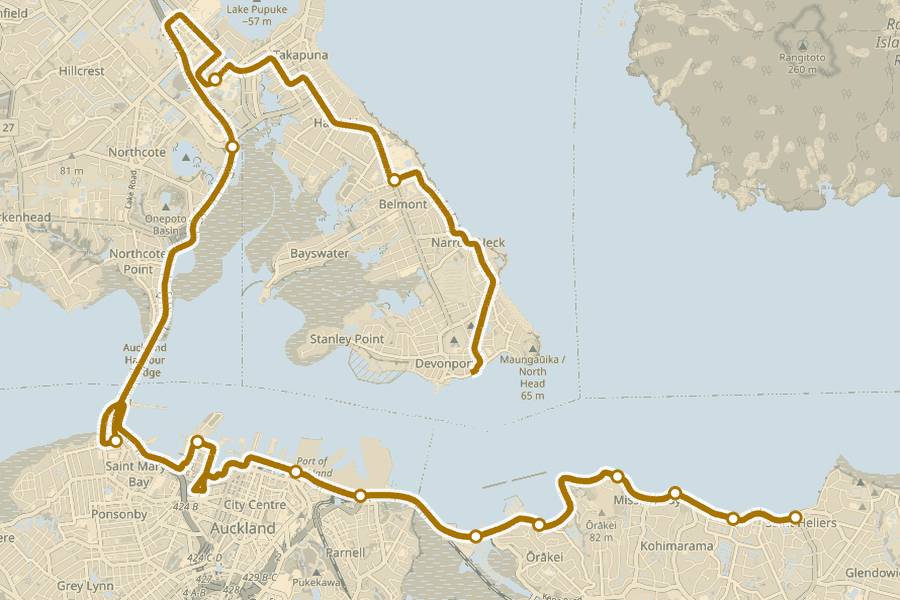 Nov 1Auckland MarathonSee the fueling plan for this race →
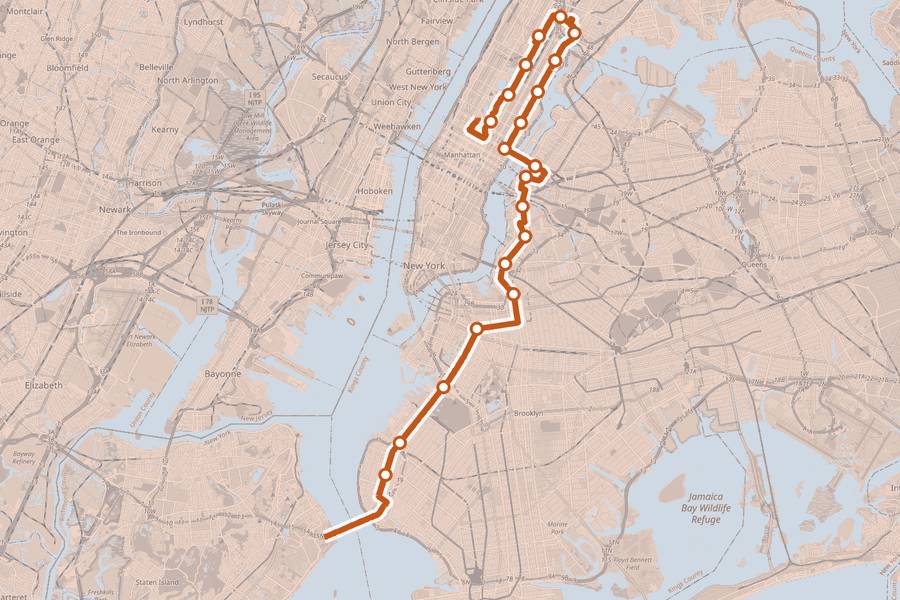 Nov 1New York City MarathonSee the fueling plan for this race →
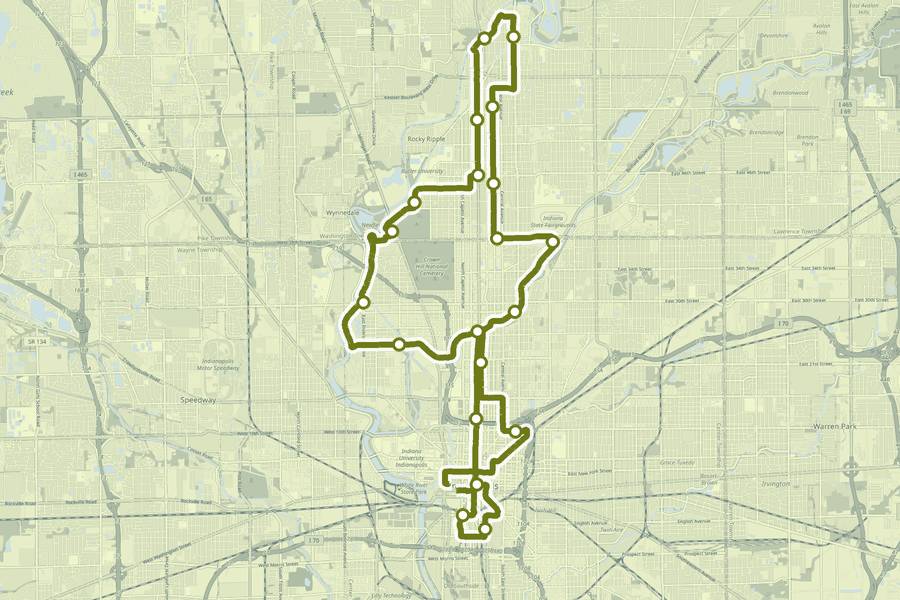 Nov 7Indianapolis Monumental MarathonSee the fueling plan for this race →
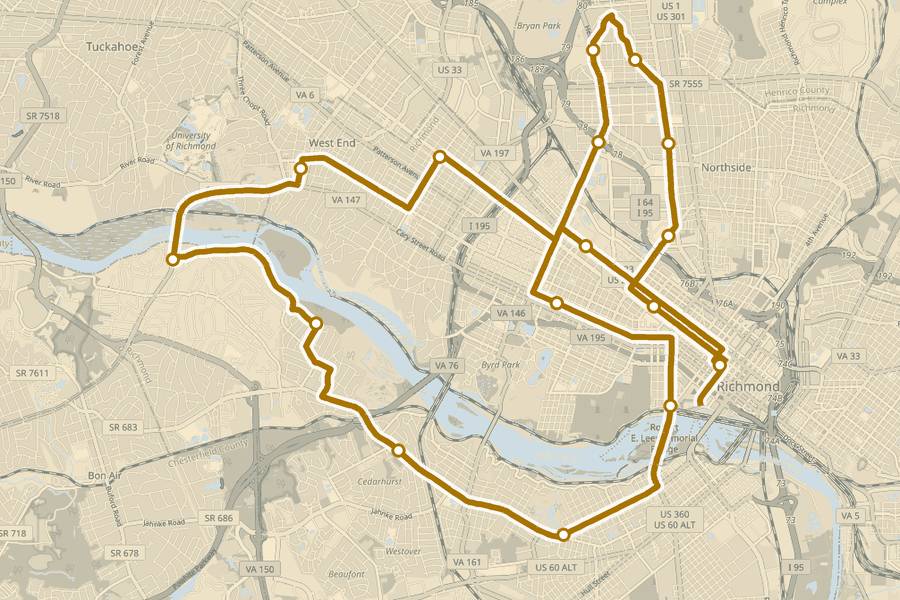 Nov 14Richmond MarathonSee the fueling plan for this race →
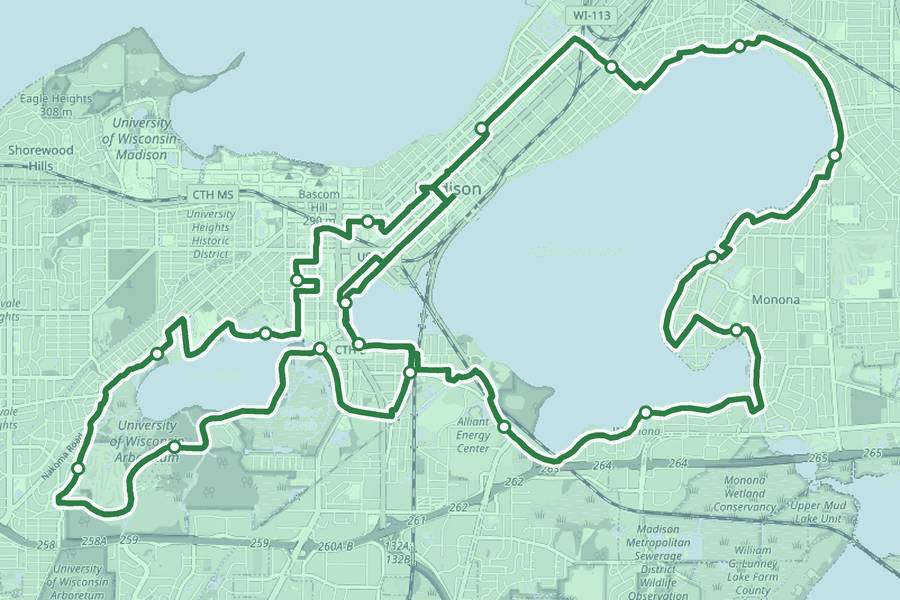 Nov 15Madison MarathonSee the fueling plan for this race →
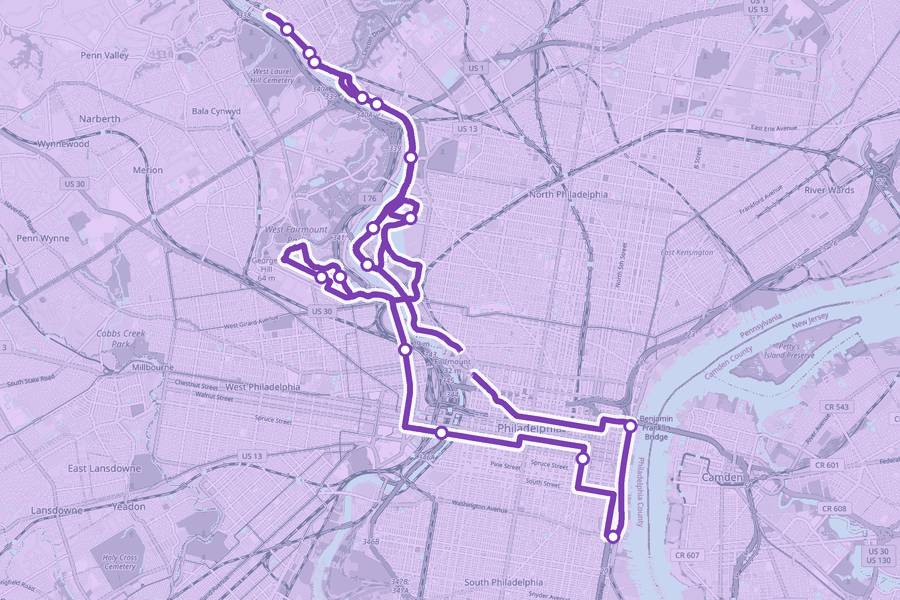 Nov 22Philadelphia MarathonSee the fueling plan for this race →
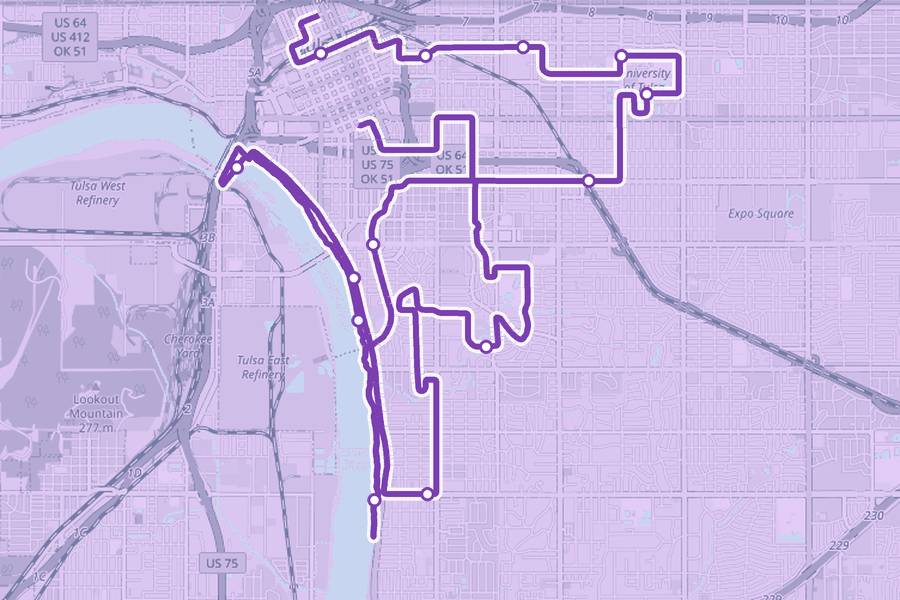 Nov 22Williams Route 66 MarathonSee the fueling plan for this race →
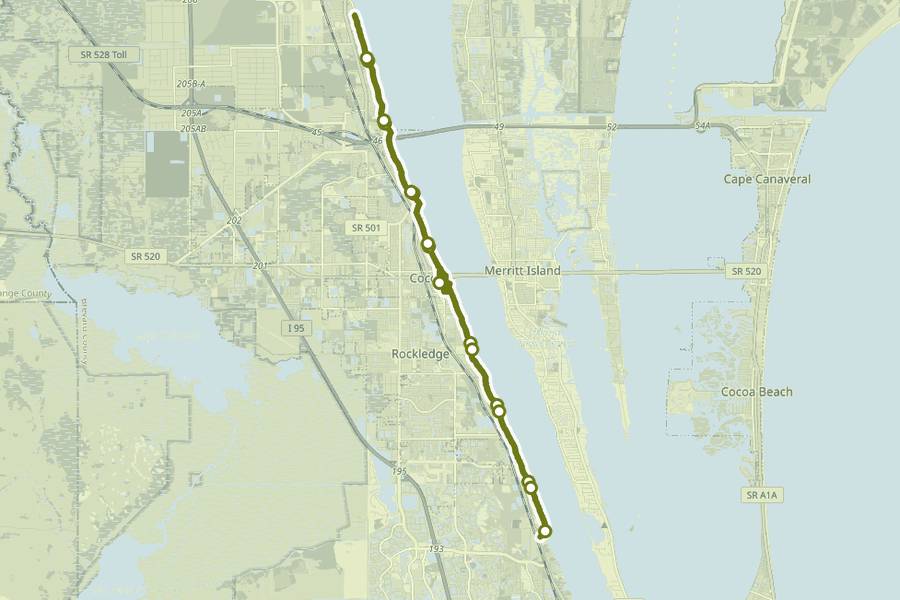 Nov 22Space Coast MarathonSee the fueling plan for this race →
Add the Carbs on Top of What You Already Eat
A real carb load means eating more food in total than you normally do.
Researchers have tested both approaches. In a 2001 study of women, swapping fat for carbohydrate at the same calories didn't raise their muscle glycogen, but eating 34% more total calories raised it by about 17%.
That means a 150 lb (68 kg) runner needs roughly 700 to 1,000 extra calories a day while carb loading, most of it from carbohydrate.
Keep protein at about 1.5 g per kilogram of body weight (0.7 g per lb). Don't cut it to make room for the extra carbohydrate.
Fat is the part you cut back, because it fills you up fast without bringing any carbohydrate with it. Eat a little less of it, then add the carbohydrate on top of everything else.
Your usual dinner, two ways to carb load
Your usual dinner: chicken, rice, beans with butter
Swap the beans and butter for rice

Keep it all, add carbs on top

Add the carbs on top of what you already eat, and keep your protein.
Skip the Depletion Run
Older carb-loading protocols had you do a hard run and cut carbohydrate before loading, on the theory that empty muscles store more.
This is an outdated protocol. A 2002 study tested loading without it. 8 trained men rested and ate 10 g of carbohydrate per kilogram of body weight (4.5 g per lb) a day.
Their muscle glycogen nearly doubled in 24 hours, and 2 more days of loading added nothing.
That means rest and enough carbohydrate is all you need. A depletion run only adds fatigue in race week.
Muscle glycogen · 24 hours of rest and 10 g/kg (4.5 g/lb)
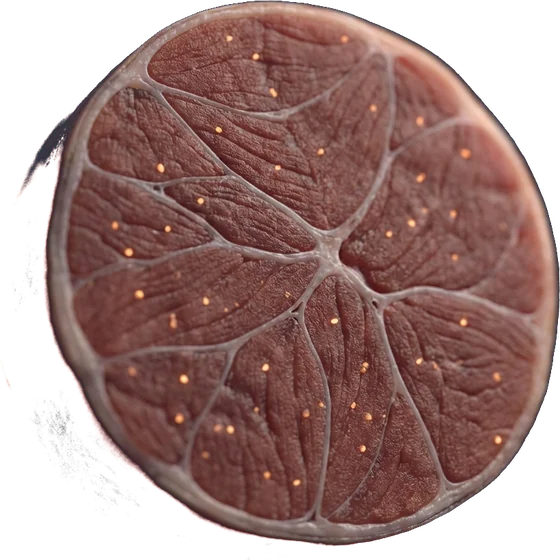
Before

24 hours later
the glycogen, with no depletion run
Make Lunch the Day Before Your Biggest Meal
The big pasta dinner the night before is the meal most runners think of as their carb load.
But, the meal that matters most the day before is lunch. Make lunch your biggest meal of the day, and keep dinner a normal size so your stomach is settled on race morning.
A few more ways to keep your stomach settled:
- Eat low-fiber foods for the last 24 to 48 hours.
- Spread your carbohydrate across many small meals and snacks instead of a few big ones.
- Drink juice or sports drink when you can't eat any more.
- Never try a food in race week you haven't eaten before a long run.
The day before the race
12:00 · Lunch
18:00 · Dinner

Make lunch your biggest meal, eat low fiber for 24 to 48 hours, and try nothing new.
Eat 1 g of Carbs Per kg for Every Hour Before the Start
Most carb-loading guides stop at the day before the race. But your liver uses some of its glycogen overnight, and breakfast refills it.
Eat 1 g of carbohydrate per kilogram of body weight (0.45 g per lb) for every hour between breakfast and the start.
For a 150 lb (68 kg) runner who eats breakfast 3 hours before the gun, that's about 204 g of carbohydrate. Two bagels with 2 tablespoons of honey and 20 oz (590 mL) of orange juice come to about 210 g.
Eat only foods you've had before a long run. A gel or sports drink while you wait in the corral counts toward the same total.
CarbRate gives you your race-morning breakfast in grams, timed to your start, as part of your carb load plan.
150 lb (68 kg) · breakfast 3 hours before the start
 2 bagels · 110 g2 tbsp honey · 35 g20 oz (590 ml) juice · 65 g
1 g per kg (0.45 g per lb) for each of the 3 hours
Why did I gain weight while carb loading?
Your body stores about 3 g of water with every gram of glycogen. A full carb load adds 2 to 4 lb (1 to 2 kg), and that weight means the load worked.
Do I need to carb load for a half marathon?
It depends on your finish time. Under 90 minutes you don't need to. Between 90 minutes and 2 hours, eat 6 to 8 g of carbohydrate per kilogram (2.7 to 3.6 g per lb) the day before only.
Is a big pasta dinner the night before enough?
No. One meal can't add up to 8 to 12 g per kilogram (3.6 to 5.5 g per lb) a day for 3 days. Make lunch the day before your biggest meal, and keep dinner a normal size.
Should I cut out protein and fat when I carb load?
Keep protein at about 1.5 g per kilogram (0.7 g per lb). Cut back a little on fat to make room, and eat more food in total.
Should I practice my carb load?
Yes. Practice the load once before one of your longest long runs, with your race breakfast that morning, so you know which foods sit well.
More ways CarbRate can help you fuel better
- Do you need to deplete before you carb load?Soon
- Why you gain weight when you carb loadSoon
- Do you need to carb load for a half marathon?Soon
- Carb loading for women: why adding carbs as a percent of calories doesn't workSoon
- What to eat when carb loading: a sample day of mealsSoon
- What to eat the night before a marathonSoon
- Race morning: how much to eat and whenSoon
- Should you take a gel before the start?Soon
- Fueling during a late start or a long corral waitSoon
- Should you cut caffeine the week before?Soon
- Foods to avoid in race weekSoon
- Is a big pasta dinner the night before enough to carb load?Soon
- Can you carb load too much?Soon
- Should you cut protein and fat when you carb load?Soon
- How to practice carb loading and running on a full stomachSoon
- Racing away from home: how to pack your race fuelSoon
Sources
- Rauch LH, Rodger I, Wilson GR, Belonje JD, Dennis SC, Noakes TD, Hawley JA. The effects of carbohydrate loading on muscle glycogen content and cycling performance. Int J Sport Nutr 1995;5(1):25-36 (PMID 7749423).
- Atkinson G, Taylor CE, Morgan N, Ormond LR, Wallis GA. Pre-race dietary carbohydrate intake can independently influence sub-elite marathon running performance. Int J Sports Med 2011;32(8):611-617 (PMID 21590642). Observational, self-reported diet.
- Tarnopolsky MA, Zawada C, Richmond LB, Carter S, Shearer J, Graham T, Phillips SM. Gender differences in carbohydrate loading are related to energy intake. J Appl Physiol 2001;91(1):225-230 (PMID 11408434).
- Bussau VA, Fairchild TJ, Rao A, Steele P, Fournier PA. Carbohydrate loading in human muscle: an improved 1 day protocol. Eur J Appl Physiol 2002;87(3):290-295 (PMID 12111292).
About the author

A Carb Load Built From Your Weight and Finish Time
CarbRate builds your carb load day by day from your weight and finish time.
Then it gives you your race-morning plan: your breakfast, when to eat it and your pre-race gel.
Rauch LH, Rodger I, Wilson GR, Belonje JD, Dennis SC, Noakes TD, Hawley JA. The effects of carbohydrate loading on muscle glycogen content and cycling performance. Int J Sport Nutr 1995;5(1):25-36 (PMID 7749423).
Atkinson G, Taylor CE, Morgan N, Ormond LR, Wallis GA. Pre-race dietary carbohydrate intake can independently influence sub-elite marathon running performance. Int J Sports Med 2011;32(8):611-617 (PMID 21590642). Observational, self-reported diet.
Tarnopolsky MA, Zawada C, Richmond LB, Carter S, Shearer J, Graham T, Phillips SM. Gender differences in carbohydrate loading are related to energy intake. J Appl Physiol 2001;91(1):225-230 (PMID 11408434).
Bussau VA, Fairchild TJ, Rao A, Steele P, Fournier PA. Carbohydrate loading in human muscle: an improved 1 day protocol. Eur J Appl Physiol 2002;87(3):290-295 (PMID 12111292).