How Many Carbs Per Hour Do You Need in a Marathon?
The average marathoner takes in only 35 grams of carbs an hour, about half of what a 3 to 4 hour marathon needs. Here's how to work out the number your race needs.
154 lb (70 kg) · 4:00 marathon
0.0mile
You hit the wall
Your number
Above 60 g an hour, train your stomach up to it first.


Updated October 16, 2026
The 7 things that decide your carbs per hour
The usual advice, 60 grams an hour or a gel every 30 minutes, ignores how much glycogen you store, your weight and finish time, your stomach, the carbs in your drink, the size of your gels, whether you stick to your plan and fat adaptation. Each one changes how many grams you need or how many you get in.
You Can't Store Enough Glycogen to Finish a Marathon
Glycogen is the carbohydrate stored in your muscles and liver, and it's your main fuel at marathon pace.
Using a 154 lb (70 kg) runner as an example, CarbRate's model estimates they start the race with about 490 grams of glycogen.
Running a 4-hour marathon, that runner burns about 140 grams of carbohydrate an hour, so their glycogen runs out before the finish.
Performance starts to decline once your glycogen drops below a third of what you started with, which is when you hit the wall.
With no fuel, that runner drops below a third at mile 15.5 (25 km).
At 35 grams an hour, the average for marathoners, it happens at mile 20.8 (33.4 km).
At 60 grams an hour, the same runner reaches the finish with 36% of their glycogen left.
So start taking in carbs early in the race, at your hourly number. If you wait until you feel low, you start refueling after your performance has already started to decline.
Find the mile you'd hit the wall in your free plan →154 lb (70 kg) · 4:00 marathon · carbs burned, in 24 g gels
from your body before the wall
you have to take on course
Your Weight and Finish Time Decide Your Carbs Per Hour
Most runners fuel with whatever number they've seen on social media or from the fast runners in their running club.
But how many carbs you need per hour comes from your own weight and finish time.
Your body weight sets how much carbohydrate you burn each mile, and your finish time sets how many hours your stored glycogen has to last, so both set your hourly number.
As an example, CarbRate's free plan gives 3 runners finishing in 3:15 different numbers: 70 grams an hour at 132 lb (60 kg), 80 grams at 154 lb (70 kg) and 90 grams at 176 lb (80 kg).
Slow the 154 lb (70 kg) runner down to a 4:00 finish and their number drops to 60 grams an hour.
That means copying someone else's number usually leaves you short or sick.
If you weigh 154 lb (70 kg) and copy the 90 grams an hour of a 176 lb (80 kg) runner, you take in 10 grams an hour more than you need, and your stomach may not be able to absorb it.
Copy the 70 grams an hour of a 132 lb (60 kg) runner instead and you run 10 grams an hour short.
That's why CarbRate works out your carbs per hour from your own weight and goal time.
Find my carbs per hour →Same marathon, same 3:15 finish · grams of carbs an hour

132 lb (60 kg) · 3:15
154 lb (70 kg) · 3:15
176 lb (80 kg) · 3:15
Your weight and finish time set your number, not someone else's.
Want to see your number on a real marathon?
Your carbs per hour come from your weight and goal time, and the marathon you run decides where each gel and sip goes. Pick a marathon below to see its fueling guide, with the aid stations, the drink on course and the gels to carry.
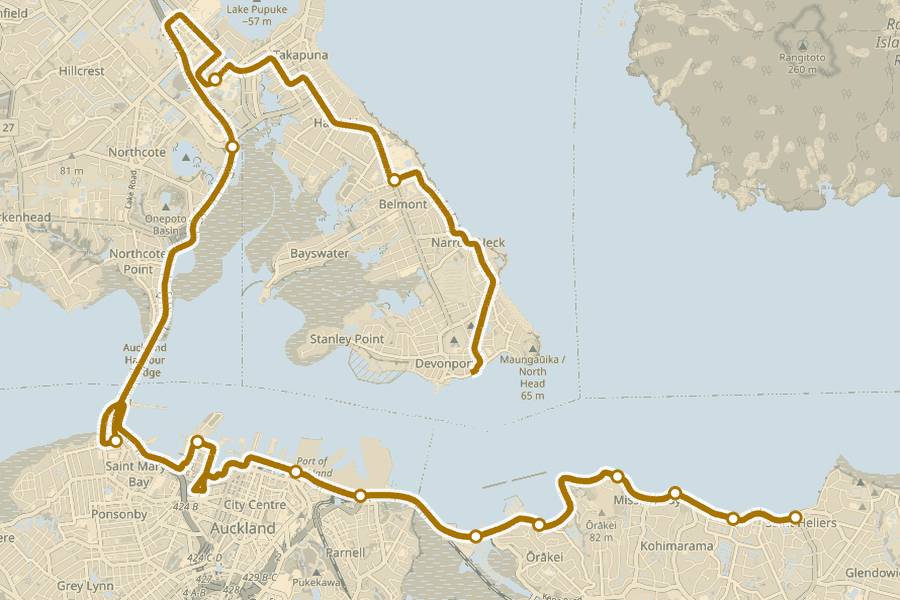 Nov 1Auckland MarathonSee the fueling plan for this race →
 Nov 1New York City MarathonSee the fueling plan for this race →
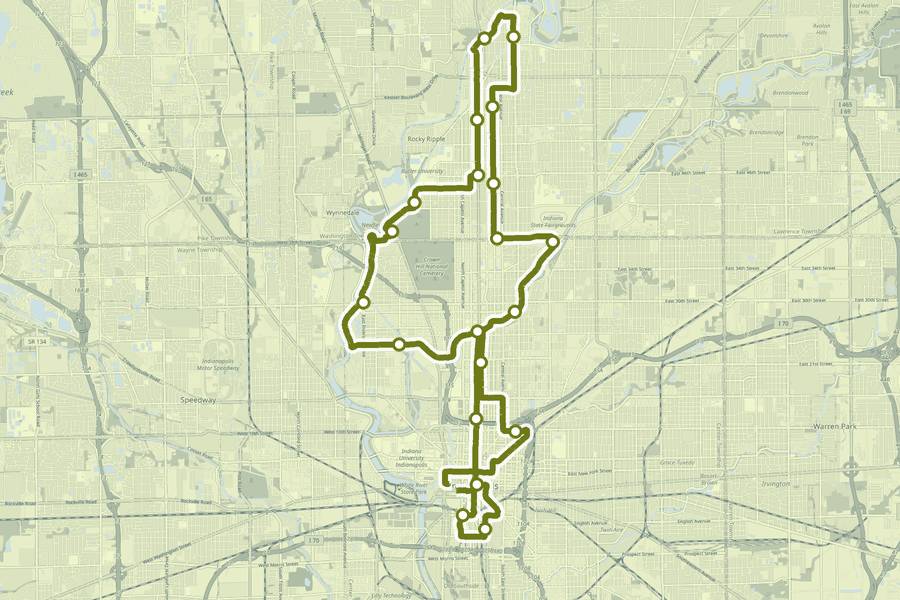 Nov 7Indianapolis Monumental MarathonSee the fueling plan for this race →
 Nov 14Richmond MarathonSee the fueling plan for this race →
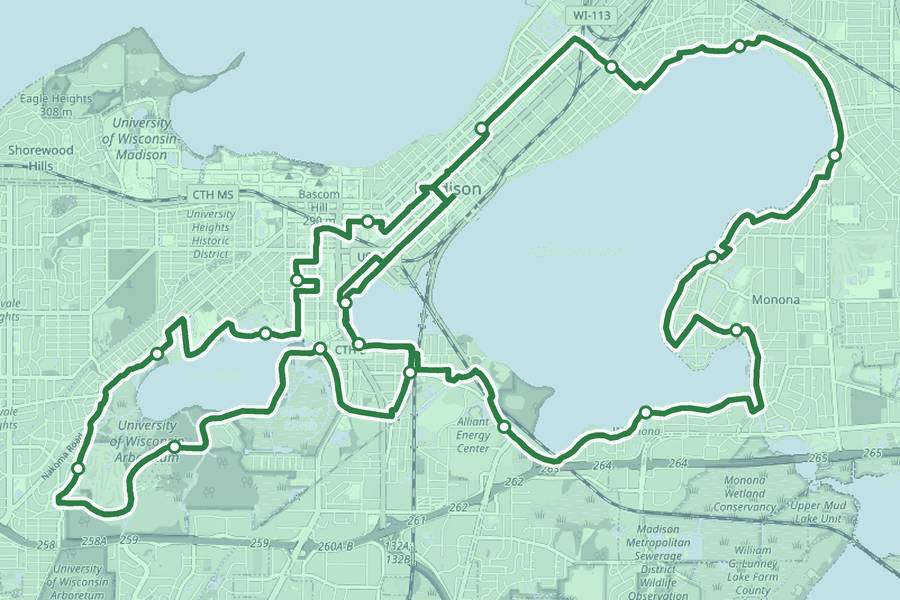 Nov 15Madison MarathonSee the fueling plan for this race →
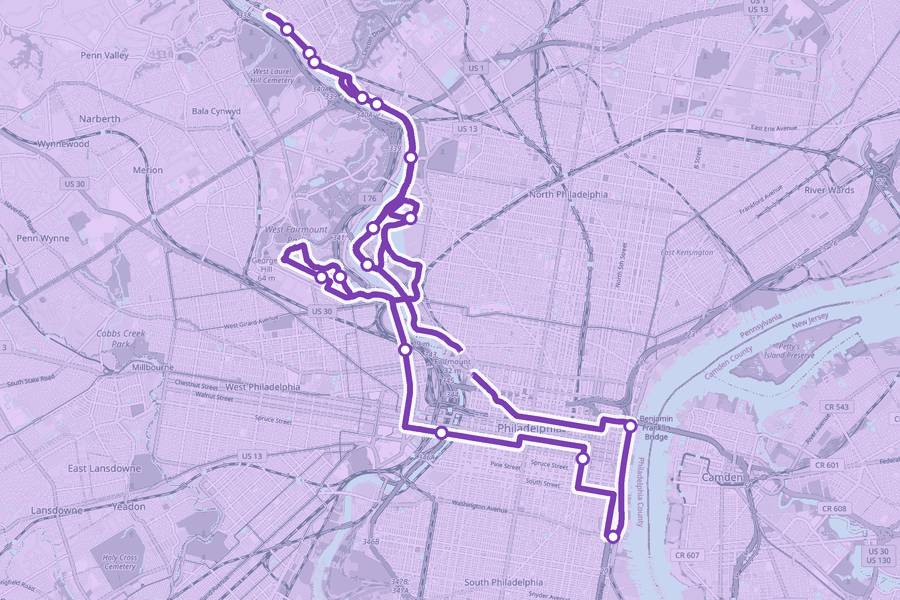 Nov 22Philadelphia MarathonSee the fueling plan for this race →
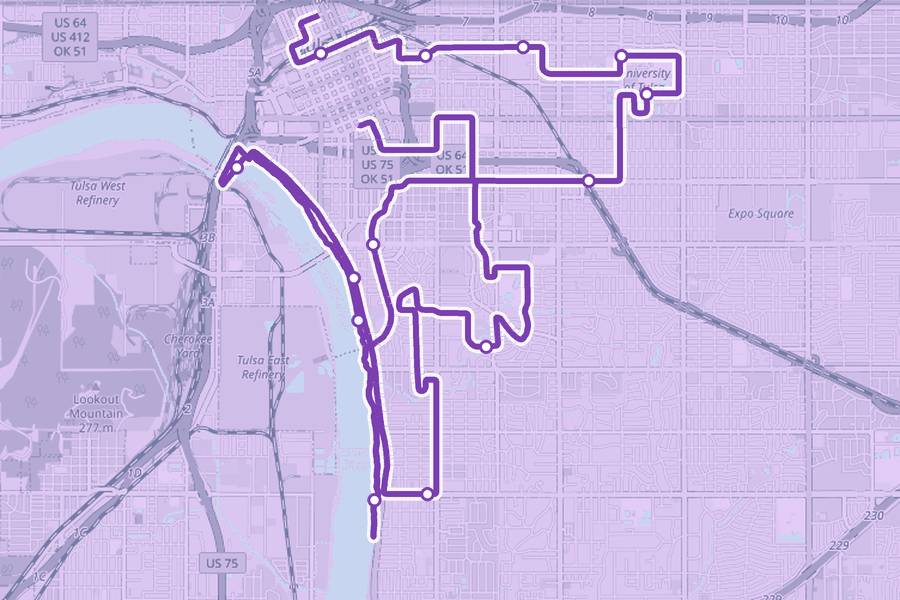 Nov 22Williams Route 66 MarathonSee the fueling plan for this race →
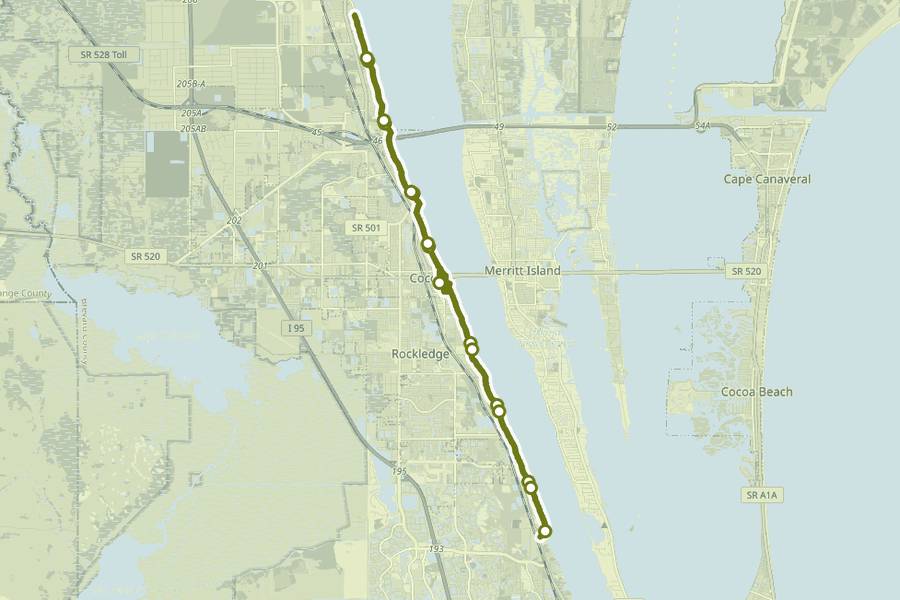 Nov 22Space Coast MarathonSee the fueling plan for this race →
Your Stomach Sets the Most You Can Absorb Per Hour
Your number only helps if your stomach can absorb it.
An untrained stomach can handle about 60 grams of carbohydrate an hour. With practice, and gels that mix glucose and fructose, that can rise to 90 grams an hour.
Take in more than your stomach can absorb and the extra stays in your gut, which is where cramps, nausea and bathroom stops come from.
If your number is higher than what your stomach handles today, raise the carbs you take in on your long runs a little each week until you reach it.
That's why CarbRate's practice plan starts at what your stomach handles today and raises your target week by week toward your race-day number.
80 g of carbs in one hour · four 20 g gels
Untrained stomach
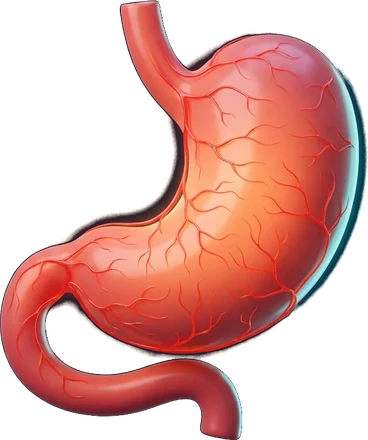
After gut training
Raise your carbs a little each week on long runs until you reach your number.
Count the Carbs in Your Drink Before You Add a Gel
Sports drinks count toward your carbs per hour, so add them up first.
A rule in minutes, like a gel every 30 minutes, doesn't tell you how many carbs you're getting each hour, so it's easy to take in too little or too much.
As an example, a 500 mL (17 oz) bottle of a 6% sports drink contains 30 grams of carbohydrate.
If your number is 60 grams an hour and you drink one of those bottles each hour, one 30 gram gel covers the rest.
On the course, each cup gives you about 100 mL (3.5 oz), which is about 6 grams of carbohydrate from a 6% drink, so count the cups you drink at each table.
Take your gels with water, and save your sports drink for the tables where you aren't taking a gel, because a gel and a sports drink together are too concentrated for your stomach.
CarbRate counts the carbs in your drink, then tells you how many of your gels to take and when.
Find my carbs per hour →One hour at 60 g of carbs
500 mL (17 oz) 6% drink
One 30 g gel
The 2nd gel of "every 30 minutes"
grams this hour
Your Gel Size Decides How Many Gels You Carry
Gels aren't all the same size. They can contain anywhere from 22 to 40 grams of carbs.
That changes how many gels you need to carry.
A 4-hour marathon at 60 grams an hour needs 240 grams of carbs. That's 10 gels with 24 grams each, or 6 gels with 40 grams each.
If one 500 mL (17 oz) bottle of 6% sports drink each hour gives you 30 grams of that, your gels only need to cover the other 120 grams. That's 5 gels with 24 grams each, or 3 with 40 grams.
To work out how many gels you need:
- Multiply your carbs per hour by your finish time
- Subtract the carbs you'll get from your drink
- Divide what's left by the grams of carbs in your gel
A 4:00 marathon at 60 g an hour · 240 g of carbs

24 g gels
10 × 24 = 240 g
40 g gels
6 × 40 = 240 g
Check the grams on your gel, then count how many you carry.
A Fueling Schedule Gets More Carbs Into You Than Fueling by Feel
A 2014 study compared 14 pairs of marathoners matched on fitness. One runner in each pair followed a fueling schedule, and the other fueled by feel.
The runners on the schedule took in 65 grams of carbs an hour. The runners fueling by feel took in 38 grams an hour.
Those on the schedule finished in 3:38:31, about 11 minutes ahead of the runners who fueled by feel.
That means fueling by feel left those runners about 27 grams an hour short, which is about one gel every hour.
Writing a plan down isn't enough on its own. In a 2025 study that weighed runners' gels and drinks before and after the race, marathoners who planned to take in 25.9 grams an hour actually took in 21.7 grams an hour.
So write your plan in grams per hour, set a time for each gel and drink so the grams add up, and follow that schedule instead of your appetite.
On iPhone, CarbRate's live guidance counts down to every gel and sip on race day and tells you what to take, so there's nothing to remember.
Matched marathoners · finish times
Fueled by feel

38 g of carbs an hour
On a fueling schedule
65 g of carbs an hour
Fat Adaptation Doesn't Change Your Number at Marathon Pace
Fat adaptation means training on a low-carb, high-fat diet so your body burns more fat and needs fewer carbs on race day.
The research so far doesn't back that up.
In a 2017 study of elite race walkers, the 2 groups that ate plenty of carbs improved their 10 km (6.2 mi) race time by 6.6% and 5.3% after 3 weeks of training.
The group on the low-carb, high-fat diet showed no improvement. Their bodies burned more fat, but walking at race pace took more oxygen.
At marathon pace, CarbRate keeps your carbs per hour the same whether you're fat adapted or not. That's a coaching position rather than a research finding: at marathon effort, burning more fat changes how many carbs you need by only a percentage point or so.
If you want to try low-carb training anyway, keep it to training and take your full number on race day.
Elite race walkers · 3 weeks of training · 10 km (6.2 mi) race time

High carb

High fat
How many gels do I need for a marathon?
Multiply your carbs per hour by your finish time, subtract the carbs from your drink, then divide by the grams in your gel. At 60 grams an hour for 4 hours with no sports drink, that's 10 gels with 24 grams each or 6 gels with 40 grams each.
Is 60 grams an hour the most I can take?
About 60 grams an hour is what an untrained stomach can handle. With practice and gels that mix glucose and fructose, it can rise to 90 grams an hour, and CarbRate's practice plan builds that practice into your training.
Do sports drinks count toward my carbs per hour?
Every gram in your drink counts. A 500 mL (17 oz) bottle of 6% sports drink has 30 grams of carbohydrate, so count it before you add a gel.
When should I take my first gel?
Early in the race, before you feel low. Your glycogen drains from the first mile, and your performance has already started to decline by the time it drops below a third.
Does a fueling schedule make you faster?
In a 2014 study, marathoners who followed a fueling schedule finished about 11 minutes ahead of runners matched on fitness who fueled by feel.
Do I need a gel in a half marathon?
Under about 2 hours, your drink may cover it, so count the drink before you add a gel. The first half marathon guide shows how that works for a first-timer.
Does fat adaptation help in a marathon?
In the 2017 race-walker study, the groups that ate carbs got faster and the low-carb group didn't improve. At marathon pace, CarbRate keeps your carbs per hour the same whether you're fat adapted or not, which is a coaching position rather than a research finding.
More ways CarbRate can help you fuel better
- How many gels do you need for a marathon?Soon
- Why you hit the wall even when you fuelSoon
- How to predict the mile you'll hit the wallSoon
- Most marathoners take half the carbs they needSoon
- Does a fueling schedule make you faster?Soon
- When to take your first gelSoon
- Do you need a gel in a half marathon? It depends on your finish timeSoon
- Does fat adaptation help in a marathon? What the science showsSoon
- Want to try fat adaptation anyway? How to do it without wrecking your raceSoon
- Can you teach your body to burn more fat at marathon pace?Soon
- Fasted vs fueled long runsSoon
- How to remember to take your gels in a marathonSoon
Sources
- Hansen EA et al. Improved marathon performance by in-race nutritional strategy intervention. Int J Sport Nutr Exerc Metab 2014;24(6):645-655. 14 pairs of marathoners matched on a 10 km time trial: the scheduled group finished in 3:38:31 taking in 64.7 g of carbohydrate an hour, the group that fueled by feel in 3:49:26 taking in 38.0 g an hour. https://pubmed.ncbi.nlm.nih.gov/24901444/
- Pfeiffer B et al. Nutritional intake and gastrointestinal problems during competitive endurance events. Med Sci Sports Exerc 2012;44(2):344-351. 221 endurance athletes measured at real events; marathoners averaged about 35 g of carbohydrate per hour. https://pubmed.ncbi.nlm.nih.gov/21775906/
- Lanpir AD et al. Under Consumed and Overestimated: Discrepancies in Race-Day Carbohydrate Intake Among Endurance Athletes. Eur J Sport Sci 2025;25(11):e70055. Marathoners planned 25.9 g of carbohydrate an hour and took in 21.7 g, measured by weighing race products before and after. https://pmc.ncbi.nlm.nih.gov/articles/PMC12501108/
- Jeukendrup A. A step towards personalized sports nutrition: carbohydrate intake during exercise. Sports Med 2014;44(Suppl 1):S25-S33. https://pmc.ncbi.nlm.nih.gov/articles/PMC4008807/
- Burke LM et al. Low carbohydrate, high fat diet impairs exercise economy and negates the performance benefit from intensified training in elite race walkers. J Physiol 2017;595(9):2785-2807. The high-carbohydrate and periodized groups improved 10 km race walk time by 6.6% and 5.3%; the low-carbohydrate, high-fat group showed no improvement (-1.6%). https://pubmed.ncbi.nlm.nih.gov/28012184/
About the author

Find the carbs per hour you need for your race
CarbRate works out your number from your weight, your goal time and your stomach, then counts the carbs in your drink before it adds a gel.
Hansen EA et al. Improved marathon performance by in-race nutritional strategy intervention. Int J Sport Nutr Exerc Metab 2014;24(6):645-655. 14 pairs of marathoners matched on a 10 km time trial: the scheduled group finished in 3:38:31 taking in 64.7 g of carbohydrate an hour, the group that fueled by feel in 3:49:26 taking in 38.0 g an hour. https://pubmed.ncbi.nlm.nih.gov/24901444/
Pfeiffer B et al. Nutritional intake and gastrointestinal problems during competitive endurance events. Med Sci Sports Exerc 2012;44(2):344-351. 221 endurance athletes measured at real events; marathoners averaged about 35 g of carbohydrate per hour. https://pubmed.ncbi.nlm.nih.gov/21775906/
Lanpir AD et al. Under Consumed and Overestimated: Discrepancies in Race-Day Carbohydrate Intake Among Endurance Athletes. Eur J Sport Sci 2025;25(11):e70055. Marathoners planned 25.9 g of carbohydrate an hour and took in 21.7 g, measured by weighing race products before and after. https://pmc.ncbi.nlm.nih.gov/articles/PMC12501108/
Jeukendrup A. A step towards personalized sports nutrition: carbohydrate intake during exercise. Sports Med 2014;44(Suppl 1):S25-S33. https://pmc.ncbi.nlm.nih.gov/articles/PMC4008807/
Burke LM et al. Low carbohydrate, high fat diet impairs exercise economy and negates the performance benefit from intensified training in elite race walkers. J Physiol 2017;595(9):2785-2807. The high-carbohydrate and periodized groups improved 10 km race walk time by 6.6% and 5.3%; the low-carbohydrate, high-fat group showed no improvement (-1.6%). https://pubmed.ncbi.nlm.nih.gov/28012184/